Why Short Stories? The Art of Crafting Impactful Narratives in ‘Standing at Heaven’s Doorstep’
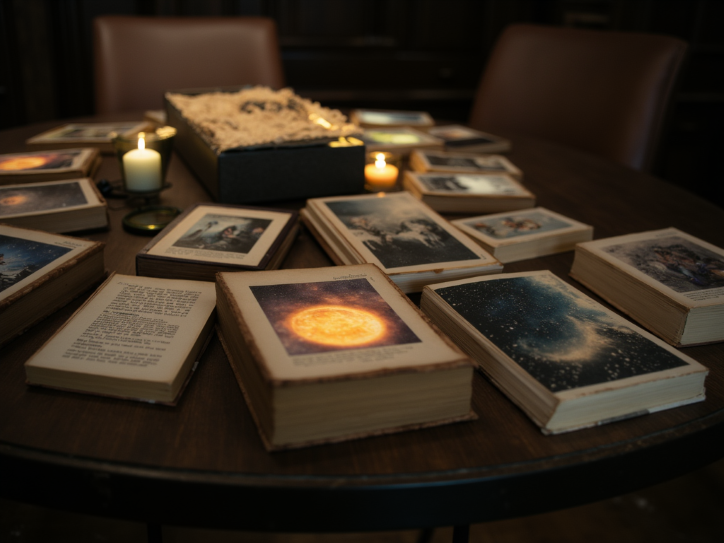
There’s something inherently powerful about short stories. Unlike full-length novels, which allow for extended character development and plot exploration, short stories must work quickly and efficiently. They are a concentrated form of storytelling, where every word, every scene, and every character must serve the greater purpose of the narrative. And in Standing at Heaven’s Doorstep, this is where the magic lies. One of the greatest joys of writing short fiction is the challenge of creating an entire world in a limited number of pages. Each story in the collection must hit the ground running, pulling readers into the action without the luxury of long exposition or drawn-out setups. This often means crafting characters who are instantly relatable and placing them in situations that are filled with immediate tension. But it also means finding ways to weave in deeper themes and emotions, often with little more than a few subtle hints. The beauty of short stories is that they can pack an emotional punch in a way that sometimes eludes longer works. By focusing on a single event, moment, or realization, short stories allow readers to connect with a character on a more visceral level. Whether it’s a tale of loss, discovery, or transformation, short stories can explore complex themes and deliver powerful messages in a much shorter span of time. In Standing at Heaven’s Doorstep, each story serves as a portal to a different world, a brief glimpse into an alternative reality, and each one is crafted to leave a lasting impression. Whether it’s a futuristic dystopia or a magical adventure, the stories in this collection show how short fiction can tackle big ideas in an intimate and focused way. The simplicity of the short story format allows for moments of clarity, where a single line or image can resonate with the reader long after the page has been turned. Short stories also give readers the opportunity to experience a wide variety of styles and genres within the same book. In Standing at Heaven’s Doorstep, the diverse range of themes—from the speculative to the fantastical—demonstrates how short fiction can blend different elements seamlessly. In a way, this collection becomes a celebration of the short story format itself, showing how it can captivate and entertain while leaving a deep emotional and intellectual impact on the reader. Whether you’re a long-time fan of short stories or new to the genre, Standing at Heaven’s Doorstep offers a chance to experience the full power of short fiction. Through concise, imaginative narratives, the book demonstrates how even a brief moment can leave a lasting impact. And for readers looking for adventure, introspection, and a touch of the surreal, this collection is a gateway to discovering the rich potential of the short story form.
Behind the Stories: What Inspired ‘Standing at Heaven’s Doorstep’

Every writer has their own unique journey to the page, and Standing at Heaven’s Doorstep is no exception. This collection of thirty-one short stories didn’t come from a single idea but from a mosaic of experiences, dreams, and what-ifs that came together to form something truly special. For me, the inspiration behind each story is rooted in the world around us—both real and imagined. Some of the tales in this collection were inspired by quiet moments of reflection, where I would gaze out my window and wonder what lay beyond the horizon. The idea of a door, whether literal or metaphorical, is a recurring theme in the book, representing not just a passage to a new world, but an invitation to explore the unknown. I wanted each story to feel like a journey, where the reader could follow the protagonist through shifting landscapes, whether those landscapes were literal or emotional. Other stories were sparked by my personal experiences—an encounter with an unfamiliar place, a conversation with a stranger, or the way a simple walk in nature could evoke a sense of wonder. These moments often led me to ask deeper questions about life, identity, and the universe, which then evolved into stories that seek to explore these themes. The more fantastical elements in the book, such as journeys to distant planets or alternate realities, came from my childhood love of science fiction and fantasy. These genres, where anything is possible, gave me the freedom to weave intricate worlds filled with impossible possibilities. Yet, the underlying theme across all the stories is the human experience—the emotions, the choices, and the personal growth that come with each adventure. Writing these stories was my way of connecting with a larger, more universal narrative. I wanted to create a world where readers could see reflections of themselves in the characters, even when those characters are navigating the most surreal of circumstances. The hope was to inspire others to embrace the unknown, to chase the adventure that awaits beyond their comfort zones, just as the characters in the book do.
The Power of Imagination: How ‘Standing at Heaven’s Doorstep’ Explores New Worlds

Imagination is the lifeblood of storytelling. It’s the force that propels us into unknown realms, introducing us to characters and worlds we could never encounter in our daily lives. Standing at Heaven’s Doorstep is a celebration of this boundless creativity, weaving together thirty-one short stories that explore the vastness of the human imagination. Each story takes readers on a unique journey, whether it’s through the wonder of fantastical lands or the thrill of futuristic dystopias. In literature, the ability to craft a world from nothing is a true art. And in this collection, imagination isn’t just a backdrop—it’s a living, breathing character. From enchanted forests to spacefaring adventures, the stories span genres that stretch from science fiction to fantasy, each world more vivid than the last. But what makes these stories stand out is how they speak to our deepest desires—our yearning for escape, for exploration, and for discovering something new. As readers, we long for a place where the rules of reality no longer apply, where every page offers a fresh perspective. Standing at Heaven’s Doorstep provides just that, offering doors to realms that are as unexpected as they are captivating. In some of the stories, characters step into worlds that are shaped by their inner fears and desires, reflecting the connection between imagination and personal growth. Other stories explore the consequences of discovering new worlds, where the thrill of discovery is often tempered by the price that must be paid. Imagination is not just about escapism; it’s a lens through which we can understand ourselves and our place in the universe. The stories within this book encourage readers to think deeply about the possibilities that lie beyond the ordinary, urging them to embrace their own creative powers and see the world through a different set of eyes.
Hello world!
Welcome to WordPress. This is your first post. Edit or delete it, then start writing!